acrylic resin polish
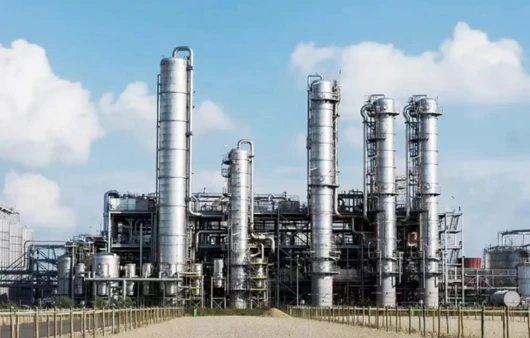
The Strategic Imperative of special resin in Modern Industrial Applications In the rapidly evolving landscape of industrial manufacturing and engineering, the demand for high-performance materials capable of withstanding extreme conditions and delivering superior functionality has never been more critical. Among these advanced materials, special resin formulations stand out as pivotal components, offering unparalleled durability, chemical resistance, and thermal stability. These highly engineered polymers are not mere substitutes for conventional materials; they represent a leap forward in material science, enabling industries to achieve greater operational efficiency, extended asset lifespan, and enhanced safety protocols. Their unique molecular structures are specifically tailored to address the complex challenges posed by highly corrosive environments, extreme temperatures, and demanding mechanical stresses inherent in sectors such as petrochemicals, metallurgy, and water treatment. The strategic integration of a robust special resin solution into critical infrastructure is an investment in longevity and reliability. For industries where downtime is costly and material failure can lead to catastrophic consequences, selecting the right resin is paramount. This comprehensive guide delves into the intricacies of special resin technology, exploring its market trends, manufacturing excellence, diverse applications, and the tangible benefits it delivers. We will particularly focus on its role in high-stress environments and the distinct advantages offered by specialized formulations like Oil Resin , a prime example of a special resin engineered for peak performance in demanding oil and gas applications, among others. Furthermore, we will examine related advanced materials such as mb resin , highlighting their complementary roles in composite applications and specialized coatings, ensuring a holistic understanding of this critical material class. Industry Trends and Market Dynamics for Special Resin and MB Resin The global market for advanced resins, including special resin and mb resin , is characterized by dynamic growth driven by several key macro and microeconomic factors. Increasingly stringent environmental regulations, particularly concerning emissions and waste, are propelling the demand for more durable, efficient, and longer-lasting materials, thus reducing the need for frequent replacements and minimizing ecological footprints. Furthermore, the rapid industrialization in emerging economies, coupled with significant investments in infrastructure development, is creating substantial opportunities for high-performance materials. The push towards lightweighting in transportation and aerospace sectors also favors advanced resins due to their exceptional strength-to-weight ratios. Technological advancements play a crucial role in shaping this market. Innovations in polymerization techniques, catalyst development, and additive manufacturing are continually expanding the capabilities and application scope of special resin. This includes the development of resins with enhanced fire retardancy, improved electrical insulation properties, and superior adhesion characteristics, broadening their utility across diverse industrial verticals. The integration of smart materials concepts, where resins can incorporate sensors or self-healing capabilities, represents a future frontier. Concurrently, the increasing complexity of industrial processes, demanding materials that can withstand more aggressive chemical exposure and higher thermal loads, directly fuels the demand for ultra-high-performance special resin formulations, like the aforementioned Oil Resin . As industries seek to optimize operational costs and extend the service life of their assets, the return on investment offered by these specialized resins becomes increasingly compelling, solidifying their position as an indispensable material in the modern industrial economy. The Meticulous Manufacturing Process of Special Resin Formulations The creation of high-quality special resin , such as Oil Resin , is a complex, multi-stage manufacturing process that demands stringent control over raw materials, reaction conditions, and purification techniques. Unlike general-purpose resins, the production of special resin involves a meticulously controlled chemical synthesis, often tailored to achieve specific molecular architectures and performance characteristics. The emphasis is placed on achieving purity, consistency, and precise control over properties like viscosity, reactivity, and cross-linking density. Conceptual Process Flow Diagram for Special Resin Production: Raw Material Sourcing and Preparation: This initial phase is critical. High-purity monomers, catalysts, and additives are selected based on the desired end-product properties. For instance, in the case of Oil Resin , specific hydrocarbon fractions and specialized initiators are carefully sourced. All incoming materials undergo rigorous quality checks to meet internal specifications and international standards like ASTM and ISO, ensuring the foundational quality of the special resin. Polymerization/Reaction Phase: This is the core of the manufacturing process. Depending on the type of special resin (e.g., epoxy, polyurethane, phenolic, vinyl ester, or modified hydrocarbon resins), various polymerization techniques are employed, such as condensation polymerization, addition polymerization, or ring-opening polymerization. Reactors are precisely controlled for temperature, pressure, and agitation to manage reaction kinetics and ensure optimal molecular weight distribution and desired polymer structure. For hydrocarbon-based special resin like Oil Resin , this stage focuses on controlled thermal or catalytic polymerization of specific C5/C9 fractions. Post-Reaction Processing: After polymerization, the crude resin undergoes several purification and modification steps. This may include: Quenching and Cooling: To stop the reaction and stabilize the polymer. Washing and Filtration: To remove unreacted monomers, catalysts, and impurities. Techniques like solvent extraction or membrane filtration may be used to achieve the desired purity levels for the special resin. Distillation/Solvent Removal: To remove process solvents or residual volatile organic compounds (VOCs), ensuring the final product meets environmental and application-specific standards. Compounding and Formulation (if applicable): For certain special resin applications, the base resin might be compounded with various additives to enhance specific properties. This could include fillers (e.g., carbon black, silica), plasticizers, antioxidants, UV stabilizers, flame retardants, or pigments. Precision mixing techniques like extrusion or high-shear blending are used to ensure uniform dispersion. This stage is crucial for developing specialized mb resin variants by incorporating masterbatches. Finishing and Packaging: The final special resin product is then processed into its commercial form, which could be flakes, pellets, liquids, or powders. This involves techniques like spray drying, flaking, or pelletizing. Strict packaging protocols are followed to prevent contamination and maintain product integrity during storage and transportation. Quality Control and Inspection Standards: Throughout the entire manufacturing process, rigorous quality control (QC) measures are implemented to ensure that every batch of special resin adheres to the highest industry standards. These measures include: In-process Monitoring: Real-time monitoring of critical parameters such as temperature, pressure, pH, and viscosity using advanced sensors and control systems. Material Characterization: Extensive laboratory testing of intermediate and final products. This includes techniques like Gel Permeation Chromatography (GPC) for molecular weight distribution, Fourier-Transform Infrared Spectroscopy (FTIR) for chemical structure verification, Differential Scanning Calorimetry (DSC) for thermal properties, and Gas Chromatography (GC) for residual monomer analysis. Performance Testing: Simulating real-world application conditions through mechanical testing (tensile strength, impact resistance, flexural modulus), chemical resistance tests (acid, alkali, solvent exposure), and thermal aging tests. Adherence to Standards: Compliance with international standards such as ISO 9001 for quality management systems, ISO 14001 for environmental management, and specific product standards like ASTM (American Society for Testing and Materials) and ANSI (American National Standards Institute) for performance and safety. Products designed for specific industries may also comply with API (American Petroleum Institute) for oil and gas, or FDA (Food and Drug Administration) for food contact applications. This meticulous manufacturing and quality assurance framework ensures that each batch of special resin , including Oil Resin , consistently delivers the specified technical parameters and performs reliably under the most challenging industrial conditions, contributing to a longer service life and superior operational efficiency for end-users. Technical Parameters and Specifications of Advanced Special Resin The efficacy of a special resin in demanding industrial environments is quantified by its precise technical parameters. These specifications dictate the resin's suitability for specific applications, influencing its processing behavior, cured properties, and overall performance. Below is a representative table outlining key parameters for a high-performance special resin like Oil Resin , reflecting its typical characteristics designed for industrial resilience. Typical Technical Specifications of Special Resin (e.g., Oil Resin) Parameter Unit Value Range Test Method / Standard Appearance - Light Yellow to Amber Solid / Liquid Visual Inspection Softening Point (Ring and Ball) °C 80 - 140 ASTM E28 Acid Value mg KOH/g < 0.5 ASTM D465 Color (Gardner) - < 5 ASTM D1544 Density @ 25°C g/cm³ 0.95 - 1.15 ASTM D792 Hydroxyl Value mg KOH/g < 10 ASTM E222 Flash Point (Cleveland Open Cup) °C > 200 ASTM D92 Viscosity (melt, @ 150°C) mPa·s 100 - 5000 (varies by grade) Brookfield Viscometer Solubility - Soluble in aromatic/aliphatic hydrocarbons Internal Test Method Glass Transition Temperature (Tg) °C -10 to +80 (varies by grade) DSC (ASTM D3418) These parameters are not merely numbers; they are indicators of the resin's molecular structure, purity, and expected performance. For instance, a low acid value signifies high purity and good hydrolytic stability, crucial for applications involving moisture. A high softening point indicates good heat resistance and mechanical stability at elevated temperatures. The solubility profile dictates the appropriate solvents for processing and formulation, while the viscosity range is vital for application methods such as coating, casting, or impregnation. Understanding these technical specifications is fundamental for engineers and decision-makers in selecting the optimal special resin for their specific industrial needs, ensuring that the material meets the exact requirements of the operating environment and application method. Technical Advantages and Performance Superiority of Special Resin The adoption of special resin in demanding industrial contexts is primarily driven by its inherent technical advantages over traditional materials and general-purpose polymers. These advantages translate directly into significant operational benefits, cost savings, and extended service life for critical components and infrastructure. For example, Oil Resin excels in environments where conventional resins fail, proving its value through superior performance metrics. Exceptional Corrosion Resistance: One of the most critical attributes of special resin is its outstanding resistance to a wide range of corrosive chemicals, including strong acids, alkalis, solvents, and hydrocarbons. This makes it indispensable in petrochemical processing, chemical storage, and waste treatment facilities where exposure to aggressive media would rapidly degrade metallic or conventional plastic components. The dense, cross-linked molecular structure of many special resin types minimizes permeability and chemical attack, ensuring long-term integrity of linings, coatings, and structural components. This directly contributes to significant reductions in maintenance frequency and associated costs, enhancing system uptime. Superior Thermal Stability and High-Temperature Performance: Many special resin formulations are engineered to maintain their mechanical and chemical properties across a broad temperature spectrum, often from cryogenic conditions up to several hundred degrees Celsius. This includes high glass transition temperatures (Tg) and decomposition temperatures, allowing them to perform reliably in high-heat industrial processes or in applications exposed to extreme thermal cycling. This thermal resilience is vital for applications like high-temperature pipelines, exhaust systems, and components in furnaces or ovens, where material degradation due to heat is a common issue. Enhanced Mechanical Strength and Durability: Special resin offers excellent mechanical properties, including high tensile strength, flexural modulus, and impact resistance. When reinforced with fibers (e.g., glass, carbon, aramid) to form composites (often utilizing mb resin as a component), these materials can achieve strength-to-weight ratios far superior to many metals. This durability ensures that components made from special resin can withstand significant operational stresses, abrasion, and fatigue, leading to an extended service life and reduced need for premature replacement. Energy Efficiency and Reduced Maintenance: By providing long-lasting protection against degradation, special resin contributes to overall system energy efficiency. For instance, corrosion-resistant linings prevent material loss and maintain smooth internal surfaces in pipes, reducing fluid friction and pumping energy requirements. Their extended lifespan directly translates to fewer shutdowns for maintenance or replacement, leading to significant operational cost savings and increased productivity. In the context of Oil Resin , its use in sealing and coating applications within the oil and gas sector leads to minimized leakage and reduced need for well interventions, directly translating to energy and cost savings. Design Flexibility and Customization: The ability to formulate special resin for specific application needs provides immense design flexibility. Resins can be engineered with tailored viscosity for casting, spraying, or pultrusion; with specific cure profiles for rapid manufacturing; or with particular surface characteristics for enhanced adhesion or non-stick properties. This adaptability allows manufacturers to create highly optimized components that perfectly match the functional and environmental demands of their systems, often enabling designs that would be impossible with traditional materials. These distinct advantages underscore why special resin is not just a material choice but a strategic investment for industries seeking to push the boundaries of performance, extend asset life cycles, and achieve superior operational economics. Diverse Application Scenarios and Industry Use Cases of Special Resin The versatility and robust performance characteristics of special resin make it an indispensable material across a myriad of critical industrial sectors. Its ability to perform under extreme conditions, resist harsh chemicals, and provide extended service life translates into practical solutions for complex engineering challenges. Here, we explore key application scenarios where special resin delivers tangible advantages. Petrochemical Industry: In the petrochemical sector, equipment and infrastructure are constantly exposed to highly corrosive chemicals, high temperatures, and abrasive slurries. Special resin is extensively used for: Tank Linings and Pipe Coatings: Providing internal linings for storage tanks, reaction vessels, and pipelines, protecting steel substrates from aggressive acids, caustics, and hydrocarbon mixtures. This significantly extends the service life of these assets, preventing leaks and costly environmental incidents. FRP (Fiber-Reinforced Polymer) Equipment: Manufacturing of lightweight, corrosion-resistant pipes, stacks, scrubbers, and ducting using special resin composites. These outperform traditional metals in terms of both longevity and maintenance requirements. Seals and Gaskets: Developing high-performance seals for pumps, valves, and flanges that maintain integrity under chemical attack and varying temperatures, reducing fugitive emissions and enhancing safety. The use of special resin like Oil Resin in this sector directly translates to enhanced safety, reduced operational expenditure due to less frequent repairs, and compliance with environmental regulations by minimizing corrosion-induced leaks. Metallurgy and Mining: The metallurgical and mining industries involve processes with extreme temperatures, abrasive slurries, and highly acidic or basic leach solutions. Special resin plays a crucial role in: Electrowinning and Electrorefining Cells: Providing durable, chemical-resistant linings for tanks used in metal extraction processes, where highly aggressive electrolytes are present. Wear Linings: As a binder in wear-resistant composites for chutes, hoppers, and material handling equipment, extending the life of components subjected to severe abrasion from ore and rock. Dust Collection Systems: Used in fabricating corrosion-resistant components for scrubbers and baghouses that handle hot, acidic, and abrasive exhaust gases from smelting operations. The resilience of special resin in these applications leads to less downtime, improved operational continuity, and enhanced worker safety by preventing equipment failures in hazardous environments. Water and Wastewater Treatment: Water and wastewater infrastructure, though seemingly less aggressive, presents its own set of challenges, including continuous exposure to water, disinfectants, biological growth, and mild corrosive agents. Special resin is vital for: Clarifier and Filter Linings: Protecting concrete and steel structures of clarifiers, filter beds, and settling tanks from water absorption, chemical attack from treatment chemicals (e.g., chlorine), and biological fouling. Pipe Relining: Trenchless pipe rehabilitation using cured-in-place pipe (CIPP) methods with special resin impregnated liners. This extends the life of aging sewage and water pipes without extensive excavation, minimizing disruption and cost. Pump Housings and Impellers: Components made from special resin or coated with it exhibit superior resistance to cavitation and erosion, common issues in pumping stations. The application of special resin in this domain ensures the longevity and integrity of critical water infrastructure, safeguarding public health and ensuring reliable supply. Other Emerging Applications: Beyond these core industries, special resin is finding increasing utility in: Electronics: As encapsulants and potting compounds for sensitive electronic components, offering dielectric strength, thermal management, and environmental protection. Aerospace and Defense: In lightweight composite structures where high strength-to-weight ratio and resistance to extreme temperatures are paramount. Construction: For high-performance flooring, sealants, and repair mortars requiring exceptional durability, chemical resistance, and rapid curing times. This broad spectrum of applications underscores the transformative potential of special resin technology in addressing the most challenging material requirements of modern industry. Its consistent ability to deliver advantages like corrosion prevention, extended lifespan, and enhanced energy efficiency solidifies its position as a critical enabling technology for industrial progress. Customization and Tailored Special Resin Solutions While standard special resin formulations offer significant advantages, many industrial applications present unique challenges that necessitate highly customized material solutions. The ability to precisely tailor the properties of a special resin to meet specific operational demands is a hallmark of advanced material science and a key differentiator for leading manufacturers. Customization extends beyond merely adjusting a single parameter; it involves a holistic approach to resin design, considering factors such as application method, curing conditions, long-term environmental exposure, and desired performance outcomes. For instance, a client might require a special resin with an unusually high viscosity for a particular casting process, or one that cures rapidly at low temperatures to minimize energy consumption. Another might need enhanced UV stability for outdoor exposure, or improved adhesion to a novel substrate. In such scenarios, our R&D teams collaborate closely with clients to understand their exact needs. This collaborative process typically involves: Detailed Needs Assessment: Understanding the specific environmental conditions (temperature range, chemical exposure, mechanical stresses), application technique (spray, brush, injection, pultrusion), desired performance criteria (e.g., specific tensile strength, dielectric constant, fire resistance), and regulatory compliance needs. Feasibility Study and Material Selection: Evaluating existing special resin chemistries (e.g., epoxy, vinyl ester, phenolic, hydrocarbon like Oil Resin , or specific mb resin ) and identifying potential modifications to meet the requirements. Laboratory Formulation and Prototyping: Developing new resin formulations in a controlled laboratory environment, testing small batches, and optimizing compositions for target properties. This iterative process often involves adjusting monomer ratios, selecting specific catalysts, and incorporating advanced additives. Pilot Scale Production and Testing: Once a promising formulation is identified, it moves to pilot-scale production for larger batch testing and validation, simulating real-world manufacturing conditions. Comprehensive performance tests are conducted, often exceeding standard industry tests to confirm the tailored properties. Client Validation and Refinement: Samples of the customized special resin are provided to the client for their own testing and validation in their specific application. Feedback is incorporated, and further refinements are made until the optimal solution is achieved. This bespoke approach ensures that clients receive a special resin that is not just compatible but optimized for their unique operational demands, leading to superior performance, enhanced efficiency, and a significant competitive advantage. This commitment to custom solutions underscores the expertise and customer-centric approach vital in the advanced materials industry. Choosing the Right Partner: Manufacturer Comparison and Best Practices Selecting the optimal manufacturer for special resin is as critical as choosing the right resin itself. The quality, consistency, and reliability of the special resin supplier directly impact the performance and longevity of your end products and systems. While direct manufacturer comparison by name is beyond this scope, we can outline the key attributes and best practices that define a leading special resin provider and that you should prioritize in your evaluation process. This applies whether you are sourcing Oil Resin or other specific mb resin variants. Key Criteria for Manufacturer Evaluation: Research & Development (R&D) Capabilities: A leading special resin manufacturer invests heavily in R&D, indicated by dedicated research facilities, a team of experienced material scientists and chemists, and a track record of innovation (e.g., new patents, improved formulations). Strong R&D ensures the manufacturer can not only meet current market demands but also anticipate future needs and develop next-generation special resin products. This capacity is vital for providing customized solutions and staying ahead in a competitive market. Stringent Quality Control and Assurance: As previously detailed, rigorous QC is non-negotiable for special resin. Look for manufacturers with comprehensive ISO 9001 certification, in-house testing laboratories, and a commitment to statistical process control (SPC). Verification of raw material purity, in-process monitoring, and final product performance testing against recognized international standards (ASTM, ANSI, etc.) are indicators of a reliable supplier. Ask for batch-specific Certificates of Analysis (CoAs). Technical Expertise and Support: A top-tier manufacturer provides more than just a product; they offer deep technical expertise. This includes pre-sales consultation to help you select the right special resin, detailed application guidelines, troubleshooting support, and post-sales technical assistance. Their team should possess a thorough understanding of industrial processes and material science to truly partner with you. Production Capacity and Reliability: Evaluate the manufacturer's production scale, lead times, and ability to consistently meet demand. A robust supply chain and efficient logistics are crucial for uninterrupted operations, especially for large-scale industrial projects. Inquire about their contingency plans for supply chain disruptions. Industry Experience and Track Record: Longevity in the industry, positive client testimonials, and a portfolio of successful application cases across various sectors (e.g., petrochemical, marine, energy) are strong indicators of a manufacturer's credibility and experience in handling diverse challenges with special resin. Look for manufacturers with significant years of service and established industry partnerships. Environmental and Safety Compliance: Adherence to environmental regulations (e.g., ISO 14001) and strong safety records demonstrate a responsible operation. This also ensures that the special resin products meet global standards for sustainability and worker safety. By meticulously evaluating these criteria, industrial clients can forge strategic partnerships with special resin manufacturers that not only supply superior materials but also provide comprehensive support and innovation, leading to long-term success and reliability in their operations. This diligence is particularly important when selecting a specialized product like Oil Resin , where performance under extreme conditions is non-negotiable. Client Feedback and Illustrative Application Cases of Special Resin The true measure of a special resin 's performance lies in its real-world application and the feedback from clients who rely on it for critical operations. These case studies highlight how our advanced special resin solutions, including Oil Resin and various mb resin formulations, have provided tangible benefits, solved complex engineering problems, and delivered significant returns on investment for our partners across diverse industries. The consistently positive feedback underscores our commitment to excellence and the proven efficacy of our materials. Case Study 1: Extending Lifespan of Hydrocarbon Storage Tanks Industry: Petrochemical Processing Challenge: A major oil and gas company faced rapid internal corrosion in its crude oil storage tanks due to high sulfur content and the presence of hydrogen sulfide (H2S) and chlorides, leading to frequent and costly repairs and significant downtime for tank relining every 3-5 years. The existing epoxy linings were failing prematurely. Solution: We recommended and supplied a specialized, high-performance Oil Resin system specifically formulated for superior chemical and high-temperature resistance. This special resin was applied as a multi-layer lining to the interior of several storage tanks. Outcome: After 8 years of continuous operation, internal inspections revealed minimal degradation of the special resin lining, demonstrating exceptional resistance to the corrosive environment. The client reported an estimated 60% reduction in maintenance costs related to tank linings and an increase in operational uptime by over 100%, far exceeding the performance of their previous solutions. This success led to the adoption of our Oil Resin across their other facilities. Case Study 2: Enhancing Durability of Wastewater Treatment Components Industry: Municipal Water & Wastewater Challenge: A large municipal wastewater treatment plant experienced accelerated wear and corrosion of its concrete clarifier walls and steel support structures due to continuous exposure to raw sewage, abrasive suspended solids, and chemical disinfectants (chlorine). This necessitated costly repairs and disruptions every 5-7 years. Solution: Our technical team proposed a robust vinyl ester based special resin coating system. This special resin was chosen for its excellent chemical resistance, particularly to hypochlorite solutions, and superior adhesion to both concrete and steel substrates, coupled with good abrasion resistance. Outcome: Over 12 years post-application, the special resin coating remains intact with negligible signs of corrosion or degradation. The plant manager reported a complete elimination of unscheduled maintenance related to structural corrosion in the treated clarifiers. The extended lifespan of the infrastructure has resulted in substantial savings in repair costs and increased the reliability of the entire treatment process, demonstrating the long-term value of a high-quality special resin solution. Case Study 3: Lightweighting and Chemical Resistance in Industrial Fans Industry: Industrial Ventilation/Air Pollution Control Challenge: A manufacturer of industrial exhaust fans for chemical processing plants needed to produce lighter, more corrosion-resistant fan blades and housings than traditional metallic ones, which were prone to rapid degradation from acidic fumes and required frequent replacement. Solution: We provided a high-performance special resin formulated for Fiberglass Reinforced Plastic (FRP) pultrusion and filament winding. This specific special resin offered exceptional chemical resistance and allowed for the fabrication of highly rigid, lightweight composite components. Outcome: The client successfully manufactured industrial fans that were 40% lighter than their metallic counterparts, leading to reduced energy consumption and lower installation costs. More importantly, the special resin based components exhibited superior resistance to corrosive fumes, extending the service life of the fans by over 200% compared to previous designs. This provided the client with a significant competitive advantage in their market. These examples clearly illustrate the transformative impact of meticulously engineered special resin formulations. By focusing on specific industry challenges and leveraging advanced material science, we enable our clients to achieve unprecedented levels of performance, efficiency, and longevity in their critical assets. Quality Assurance, Certifications, and Our Commitment to Excellence At the core of our operations is an unwavering commitment to quality. For special resin , where performance often dictates the safety and efficiency of critical industrial processes, quality assurance is not merely a compliance issue but a foundational principle. Our rigorous quality management system ensures that every batch of special resin, from raw material sourcing to final packaging, consistently meets and exceeds the most stringent industry standards and client expectations. This dedication to quality is underpinned by comprehensive certifications, continuous testing, and a culture of continuous improvement. Certifications and Compliance: Our manufacturing facilities and processes for special resin are certified to globally recognized standards, demonstrating our adherence to best practices in quality, environmental management, and occupational health and safety: ISO 9001:2015 Certification: This comprehensive quality management system certification ensures that our processes are consistently managed and controlled to meet customer and regulatory requirements. It covers everything from product design and development to production, delivery, and service. ISO 14001:2015 Certification: Demonstrates our commitment to environmental responsibility through an effective environmental management system.
-
 Strong R & D Capability And Experienced Technical Team
-
Provide Customers With Competitive And Differentiated Products